Posted in Pool filter system Pool Filter Systems

Pool Filter Systems Guide: Types, Benefits, and How They Work

Pool Filter Systems Guide

: Types, Benefits, and How They Work

Learn how pool filter systems work, compare the main filter types, and choose the best setup for cleaner, clearer water. This guide Pool Filter Systems Guide written for pool owners who want a practical, easy-to-follow explanation.

Introduction to Pool Filter Systems Guide

A pool filter system is one of the most important parts of pool care. It removes dirt, debris, and tiny particles from the water so your pool stays cleaner, looks better, and is easier to maintain. Whether you have an above-ground pool or an in-ground pool, understanding how your filter works can save you time and money.If you are trying to choose the right system, this guide will help you compare sand, cartridge, and DE filters in plain English.

What Is a Pool Filter System?

A pool filter system cleans the water by trapping debris as it circulates through the pool plumbing. The pump pulls water from the pool, pushes it through the filter, and returns it cleaner to the pool.The filter is responsible for catching particles that are too small to remove with a skimmer or net. This includes dust, algae, leaves, body oils, pollen, and other fine debris that can make water cloudy.

How Pool Filtration Works

Pool filtration follows a simple process:
Water is drawn out of the pool through the skimmer and main drain.
The pump sends the water into the filter tank.
The filter media traps dirt and debris.
Cleaned water is returned to the pool.

This cycle repeats many times each day. The more efficiently your system works, the easier it is to keep the water clear and balanced.

Main Types of Pool Filters

Sand Filters

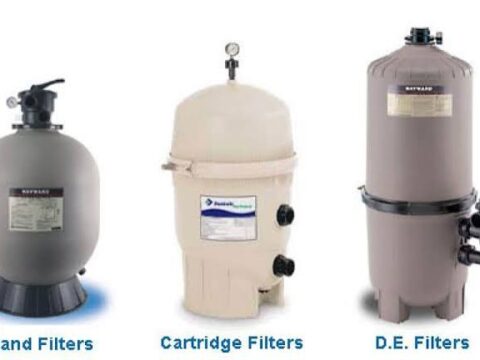
Sand filters are one of the most common choices for residential pools. They use specially graded sand to trap debris as water passes through the tank. So over time, the sand catches dirt and fine particles while allowing clean water to flow back into the pool.

Sand filters are popular because they are durable, straightforward, and relatively easy to maintain. Many pool owners like them for their simplicity and long service life.

Cartridge Filters

Cartridge filters use pleated filter elements instead of sand. Water passes through the cartridge material, which traps debris and fine particles. Therefore these systems are known for strong filtration and easy cleaning.Unlike sand filters, cartridge filters usually do not require backwashing. Many homeowners prefer them because they are efficient and can handle a wide range of pool sizes.

DE Filters

DE stands for diatomaceous earth. These filters are known for very fine filtration and are often chosen by pool owners who want maximum water clarity. The filter grids are coated with DE powder, which helps trap extremely small particles. DE filters can deliver excellent results, but they often require more attention than sand or cartridge systems. They are a strong option for owners who want top-tier clarity and do not mind extra maintenance.

>h3>Benefits of a Pool Filter System

A good pool filter system does more than keep the water looking clean. It also helps with overall pool health and maintenance.

Cleaner Water
The most obvious benefit is better water quality. A reliable filter removes debris and particles that would otherwise float in the pool and make it cloudy.

Less Strain on Chemicals
When the filter removes physical dirt from the water, sanitizers such as chlorine can work more effectively. That means your pool water is easier to balance.

Better Circulation
Pool filters are part of the circulation system, so they help move water evenly through the pool. This reduces stagnant areas and supports better overall hygiene.

Lower Maintenance Stress
A pool that filters efficiently is easier to care for. You spend less time dealing with cloudy water, buildup, and recurring water problems.

How to Choose the Right Pool Filter System

The best pool filter system depends on your pool type, budget, and maintenance preference.
Choose Sand If You Want Simplicity
Sand filters are a good fit if you want a low-fuss system that is easy to understand and maintain. They are often a practical choice for homeowners who want dependable performance.

Choose Cartridge If You Want Strong Filtration
Cartridge filters are a solid option if you want good filtration without the need for backwashing. They are a popular middle ground between convenience and water clarity.

Choose DE If You Want Maximum Clarity
DE filters are ideal for pool owners who want very fine filtration. They are considered the premium choice for water clarity, though they may require more maintenance.

Match the Filter to the Pool Size

Pool size matters. A filter that is too small will struggle to clean the water properly, while an oversized one will cost more than necessary. Always check the recommended capacity for your pool.

Pool Filter Comparison Table

Filter Type Main Benefit Maintenance Level Best For
Sand Simple and durable Low Owners who want easy upkeep
Cartridge Strong filtration and no backwashing Medium Homeowners who want convenience and clarity
DE Excellent water clarity Higher Pools that need the finest filtration

How Often Should You Clean a Pool Filter?

Cleaning frequency depends on the type of filter, pool usage, and how much debris enters the water. A good rule is to monitor water flow and pressure regularly.If pressure rises or water flow drops, the filter may need cleaning. Visible dirt, cloudy water, or weak circulation can also be signs that maintenance is due.

Signs Your Pool Filter Needs Attention

Watch for these common warning signs:

Cloudy water.
Weak water circulation.
Higher-than-normal pressure readings.
Debris returning to the pool.
More frequent chemical imbalances.

These signs often mean the filter is clogged, dirty, or no longer working efficiently.

Pool Filter Maintenance Tips

Good maintenance helps your filter last longer and perform better.

Check the pressure gauge regularly.
Clean the filter according to the manufacturer’s instructions.
Backwash sand filters when needed.
Rinse cartridge filters thoroughly.
Inspect seals, valves, and hoses for wear.
Replace filter media when it is no longer effective.

A simple maintenance routine can improve water clarity and reduce repair costs over time.

FAQ

What is the best pool filter system?
The best pool filter system depends on your pool and your priorities. Sand filters are simple, cartridge filters are convenient, and DE filters offer the finest filtration.

Which pool filter is easiest to maintain?
Sand filters are usually considered the easiest to maintain. Cartridge filters are also manageable, but they need more frequent cleaning.

How do I know what size pool filter I need?
You need a filter that matches your pool volume and pump flow rate. So check the manufacturer’s specifications to make sure the system can handle your pool properly.

Do pool filters improve water quality?
Yes. Pool filters remove physical debris and fine particles from the water, which helps keep the pool clearer and reduces strain on chemicals.

Conclusion

A pool filter system is essential for clean, balanced, and enjoyable pool water. Sand, cartridge, and DE filters each have their own strengths, so the best choice depends on your pool type, maintenance preferences, and clarity goals.

Swimming pooll filtration
Posted in Pool Filter Systems

The Different Types of Pool Filter Systems

What are the different types of pool filter systems?

There are three main types of pool fiters They are cartridge, diatomaceous earth (D.E.), and sand. Each type has its own pros and cons that you should consider before making a purchase.

Which pool filter system is right for my pool?

The type of pool filter system you need depends on the size and type of your pool, as well as your budget.

What are the benefits of a pool filter system?

A pool filter system helps to keep your pool water clean and clear by removing dirt, debris, and bacteria. It also helps to prolong the life of your pool by protecting the pump and other components from damage.

How do I maintain my pool filter system?

It is important to regularly clean and maintain your pool filter system to ensure it is working properly. Depending on the type of system you have, this may involve backwashing, replacing the filter cartridge, or adding D.E. powder.

Troubleshooting tips for pool filter systems

If your pool filter system is not working properly, there are a few troubleshooting tips you can try. First, check the skimmer basket and pump basket for debris. If these are clean, then check the filter itself for dirt and debris. Finally, check the backwash valve to make sure it is working properly.

What are cartridge pool filters?

Cartridge pool filters are a type of pool filter that uses a cartridge filled with filter media to remove contaminants from pool water. The cartridge is usually made of pleated paper or polyester, and the media is usually activated carbon or diatomaceous earth.

How do cartridge pool filters work?

Cartridge pool filters work by trapping contaminants in the filter media as water passes through the cartridge. The media is usually charged with electricity, which helps to attract and trap contaminants.

What are the benefits of cartridge pool filters?

Cartridge pool filters are often cheaper to maintain than other types of pool filters, and they can last for several years with proper care. Cartridge pool filters also have a higher flow rate than other types of pool filters, which means they can filter pool water more quickly.

What are the drawbacks of cartridge pool filters?

Cartridge pool filters can become clogged more quickly than other types of pool filters, and they may need to be replaced more often. Cartridge pool filters also require more frequent cleaning than other types of pool filters.

Another type of pool filter is the sand filter. Sand filters are also effective at removing dirt and debris from your pool water, but they require more maintenance than cartridge filters.

Introduction to sand pool filter systems

A sand pool filter system is a type of filtration system that uses sand to remove impurities from pool water. The sand works to trap dirt, debris, and other particles, which are then removed from the water by the filter.
How do sand pool filter systems work? Sand pool filter systems work by using a pump to circulate the water through the filter and sand. The water is then forced through the sand, which traps the impurities. The clean water is then returned to the pool.

The benefits of sand pool filter systems One of the main benefits of sand pool filter systems is that they are very effective at removing impurities from pool water. They are also relatively easy to maintain and can last for many years with proper care.

The drawbacks of sand pool filter systems One of the main drawbacks of sand pool filter systems is that they can be expensive to purchase and install. Additionally, they require regular maintenance, such as backwashing, to keep them functioning properly.

How to choose the right sand pool filter system for your pool.

When choosing a sand pool filter system for your pool, it is important to consider the size of your pool, the type of pool, and your budget. You should also consult with a pool professional to ensure that you are choosing the right system for your needs.

How to care for your pool filter

It’s important to care for your pool filter properly to ensure it is working effectively. Regularly clean your pool filter to remove any dirt, debris or other contaminants that may have built up on it. backwash your pool filter according to the manufacturer’s instructions. This will help to remove any dirt or debris that has become trapped in the filter. If you have any questions about pool filters or how to care for them, please contact your local pool professional.

D.E.pool filters

Everything you need to know about diatomaceous earth pool filters
If you’re like most pool owners, you want to keep your swimming area clean and sparkling. But what’s the best way to do that? Many people swear by diatomaceous earth (D.E.) pool filters. D.E. pool filters are made of a type of sedimentary rock that is very fine and porous. This makes it ideal for trapping dirt, debris, and other contaminants. D.E. pool filters are also relatively easy to clean and maintain. Here’s everything you need to know about D.E. pool filters, including the benefits of using one and how to properly maintain it.

The benefits of using a D.E. pool filter

There are many benefits to using a D.E. pool filter, including: improved filtration: D.E. pool filters can trap smaller particles than other types of filters, such as sand filters. This means your pool will be cleaner and clearer. lower operating costs: D.E. pool filters are more efficient than other types of filters, so they use less energy and water. This can save you money on your utility bills. longer lifespan: D.E. pool filters typically last longer than other types of filters. With proper maintenance, a D.E. pool filter can last for several years.

How to properly maintain your D.E. pool filter

Proper maintenance is key to prolonging the lifespan of your D.E. pool filter. Here are some tips for maintaining your D.E. pool filter: clean the filter regularly: Depending on the size of your pool and the amount of use it gets, you should clean your D.E. pool filter every one to three months. backwash the filter: Backwashing is a process of flushing out the dirty water from your pool filter. This should be done every one to two months, or as needed. replace the D.E. powder: Over time, the D.E. powder in your pool filter will become clogged with dirt and debris. You’ll need to replace it every one to two years, or as needed.

Troubleshooting common D.E. pool filter problems

D.E. pool filters are generally low-maintenance, but there are a few common problems that can occur.Here’s how to troubleshoot common D.E. pool filter problems: D.E. pool filters are a great way to keep your pool clean and free of dirt and debris. However, like all pool filters, they can sometimes run into problems. If your D.E. pool filter isn’t working properly, there are a few things you can do to troubleshoot the problem.

First, check the skimmer basket and make sure it isn’t full of leaves or other debris. If it is, empty it out and clean it. Next, check the pump strainer basket and make sure it isn’t full of leaves or other debris. If it is, empty it out and clean it. Finally, check the D.E. filter itself. If the D.E. powder is clumped together or caked on the sides of the filter, it needs to be replaced. If you’ve checked all of these things and your D.E. pool filter still isn’t working properly, you may need to call a pool technician for help.

2. D.E. pool filters: common problems and how to fix them: D.E. pool filters are a great way to keep your pool clean and free of dirt and debris. However, like all pool filters, they can sometimes run into problems. Here are some of the most common D.E. pool filter problems and how to fix them. If the D.E. powder is clumped together or caked on the sides of the filter, it needs to be replaced. If the skimmer basket is full of leaves or other debris, empty it out and clean it. If the pump strainer basket is full of leaves or other debris, empty it out and clean it. If you’ve checked all of these things and your D.E. pool filter still isn’t working properly, you may need to call a pool technician for help.

3. Troubleshooting your D.E. pool filter: If your D.E. pool filter isn’t working properly, there are a few things you can do to troubleshoot the problem. First, check the skimmer basket and make sure it isn’t full of leaves or other debris. If it is, empty it out and clean it. Next, check the pump strainer basket and make sure it isn’t full of leaves or other debris. If it is, empty it out and clean it. Finally, check the D.E. filter itself. If the D.E. powder is clumped together or caked on the sides of the filter, it needs to be replaced. If you’ve checked all of these things and your D.E. pool filter still isn’t working properly, you may need to call a pool technician for help.

Swimming pool filters and pumps on Amazon